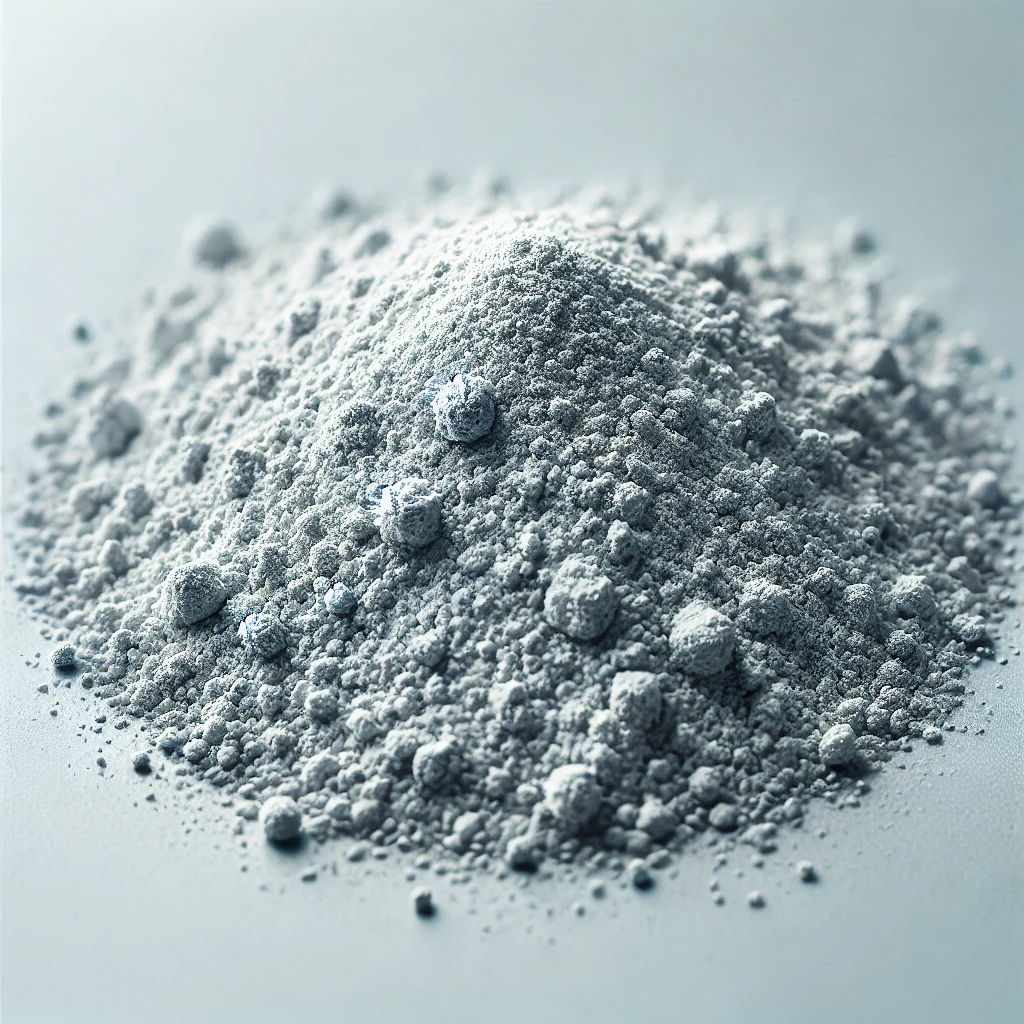
Titanium
Titanium is a chemical element with the symbol Ti and atomic number 22. It is a transition metal that is commonly found in nature in compounds and has a wide range of applications due to its diverse properties.
Strength and Hardness: Titanium is one of the strongest elements and has high tensile strength. It can withstand high loads and is therefore highly demanded in many industrial applications such as aircraft and shipbuilding.
Corrosion Resistance: Titanium is extremely corrosion-resistant, forming a thin layer of titanium oxide that protects the underlying metal from oxygen, water, and other reactive substances. Therefore, titanium is often used in environments where corrosion would be a problem, such as in the chemical industry or seawater.
Low Density: Titanium has a lower density than most structural metals, meaning it is relatively light. This low density makes it a preferred material for applications where weight is a concern, such as in aircraft and spacecraft.
Biocompatibility: Titanium is biologically inert and is well tolerated by human tissue. This makes it a suitable material for medical implants such as hip prostheses, screws, and pins, as it induces minimal immune response.
Heat Resistance: Titanium can withstand high temperatures without losing its mechanical properties. It remains strong and stable at high temperatures, making it a valuable material for applications in aerospace, chemical industry, and power generation.
Conductivity: Titanium is a good electrical conductor and is used in various applications where electrical conductivity is required, such as in the electronics industry.
These properties make titanium a versatile material widely used in various industries. It is commonly used in aerospace, medicine, chemical industry, automotive industry, and many other fields.
Our products made of Titanium
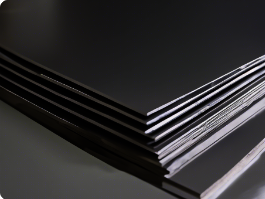
Plate
Our plates stand out for their versatility and durability. Available in various thicknesses and custom-cut upon request.

Sheet Metal
Discover our selection of sheets, available in a variety of sizes. Further custom cuts are available upon request

Foil
Our foils are available in various thicknesses and widths, providing optimal solutions for specific requirements.
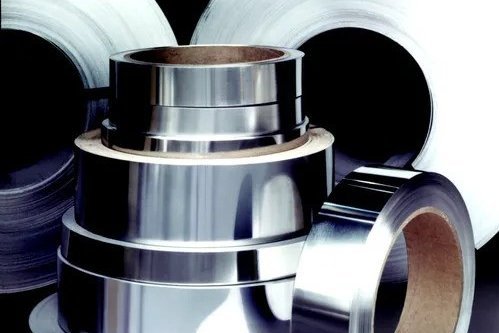
Coil
Discover our range of coils available in various widths and materials. Perfect for a variety of industrial applications, tailored to your needs.
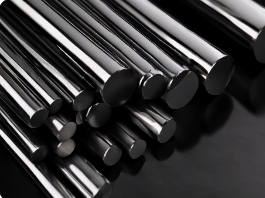
Round Bars
Our round bars are available in various diameters and are ideal for precise machining in industry and craftsmanship.
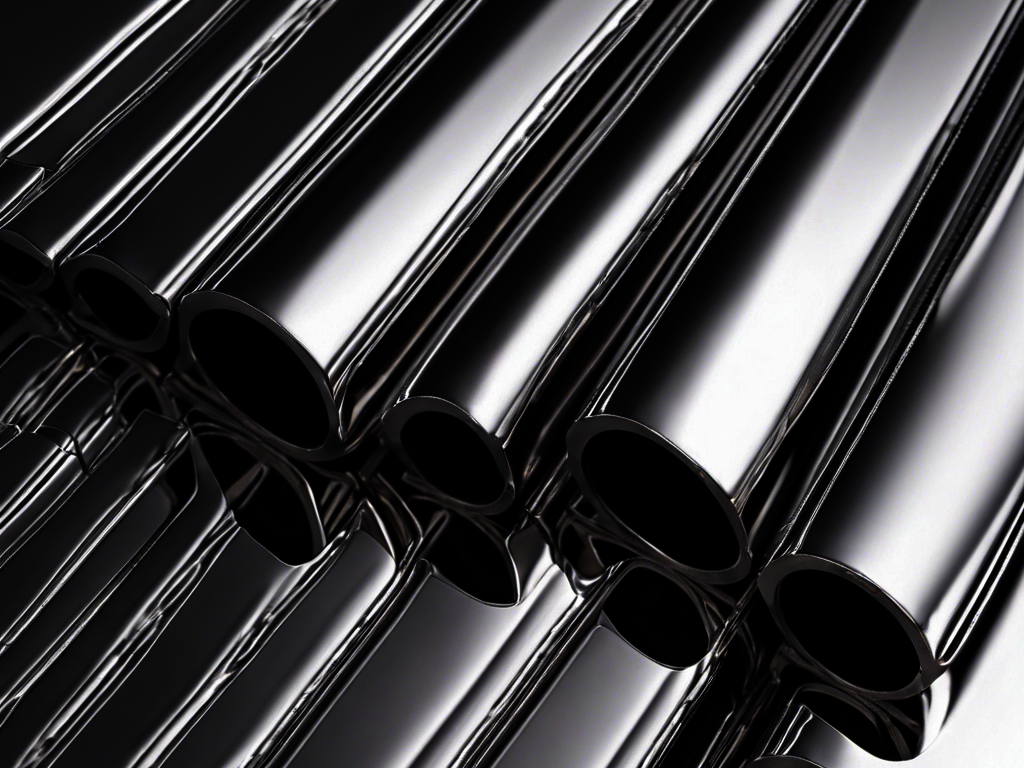
Pipes
We offer high-quality pipes for various applications, available in different sizes and materials. Custom-made options available on request.
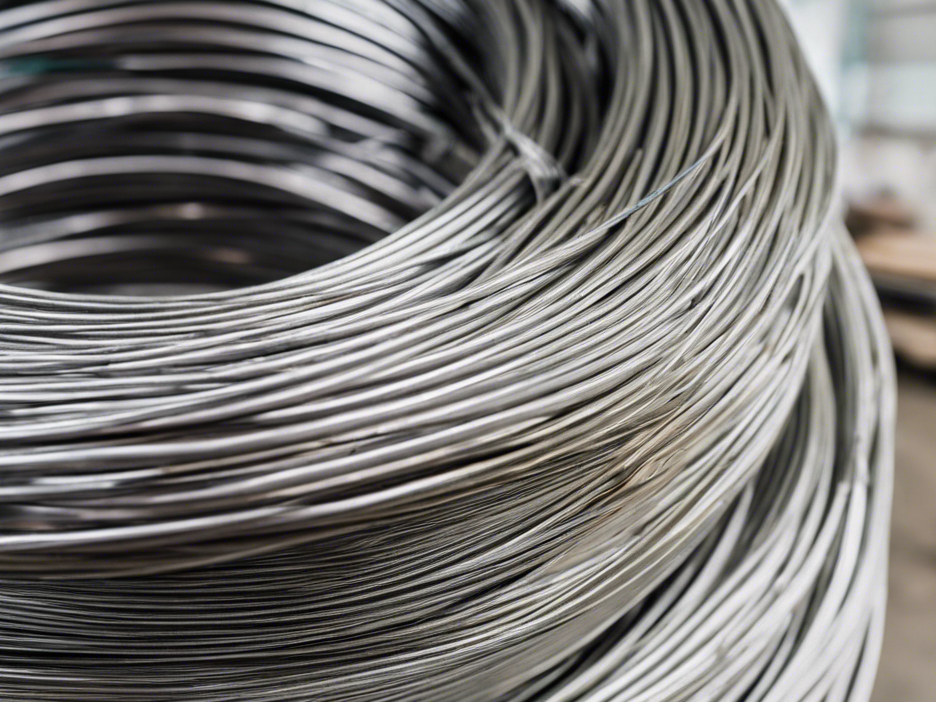
Wire
High-quality wires for numerous applications – flexible, durable, and available in various thicknesses.
Ring
We supply rings made of high-quality material, ideal for industrial and technical applications.

Treasure Box
Our treasure chest features remaining stock – high-quality materials with non-standard dimensions at fixed prices. These items are only available while supplies last and cannot be reordered.